
Importance of Building Personal Brand for Startup Business
Importance of Building Personal Brand for Startup Business
Table of Contents
- Trust & Credibility
- Unique Brand Identity
- Direct Communication with Customers
- Long-Lasting Impact
Trust & Credibility
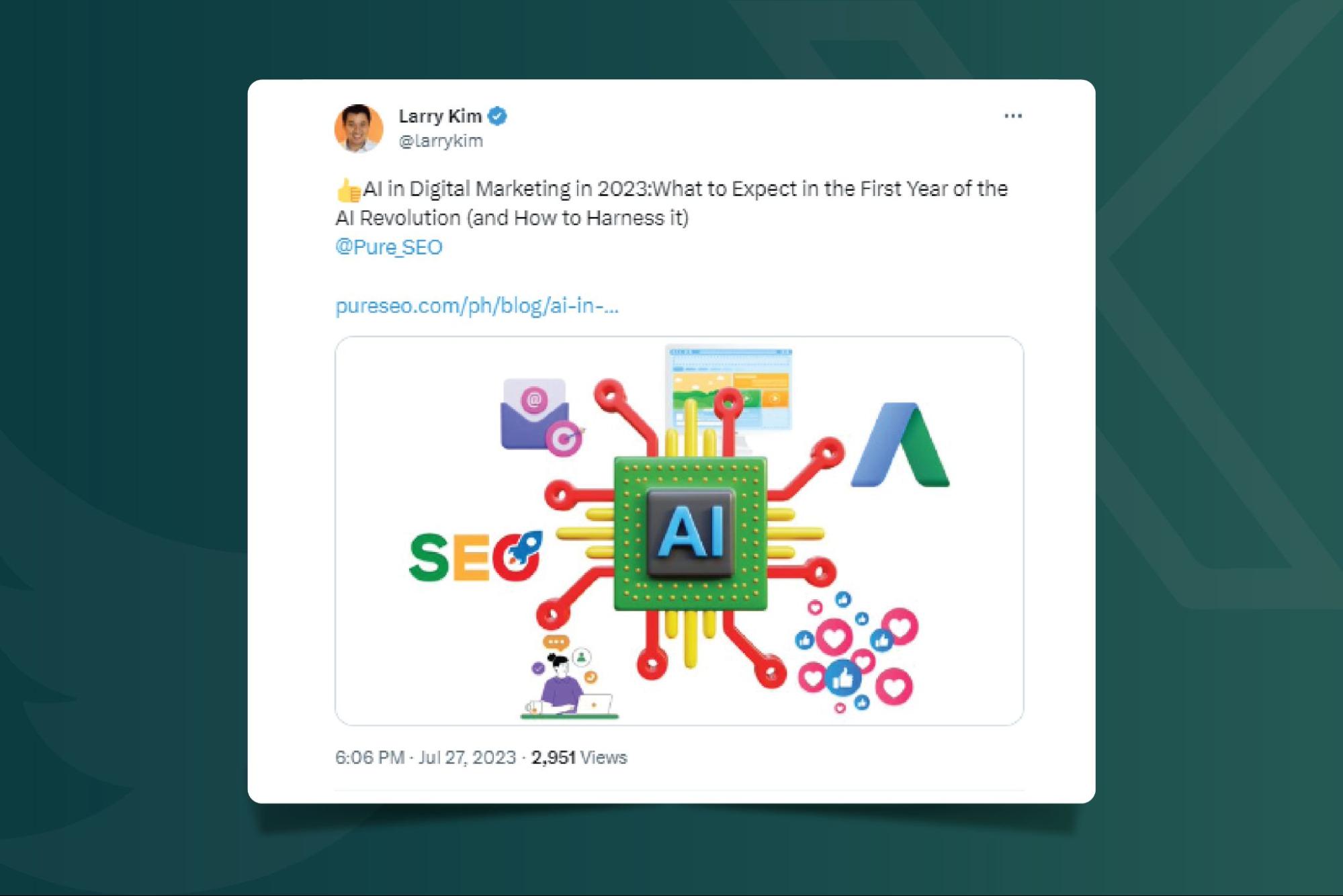
In a sea of startups, gaining trust and credibility is a daunting task. Customers and prospects often associate the founder's personal brand with the startup itself. A strong personal brand enhances the founder's reputation, making stakeholders quickly judge the startup's credibility and decide on how to engage with it in the short and long term. By positioning the founder as an experienced professional through their personal brand, startups can quickly build trust and confidence in their offerings.
Take Neal Taparia, a successful entrepreneur, and founder of Solitaired, for example. When pitching custom solitaire games to organizations, he highlights his past successes and experiences as a public company executive to establish credibility and garner positive responses. Building a personal brand is vital for startups to gain trust quickly and create a lasting impact in a crowded marketplace, ensuring their journey to success is marked by credibility and recognition.
Unique Brand Identity
According to Amazon founder Jeff Bezos, "Your brand is what people say about you when you're not in the room." For a startup, having a strong personal brand attached to the founder creates a unique and relatable brand identity. The founder's views and values infuse the startup's brand with a distinct flavor that no marketing campaign can achieve. This uniqueness helps startups gain quick traction, especially in their initial days.
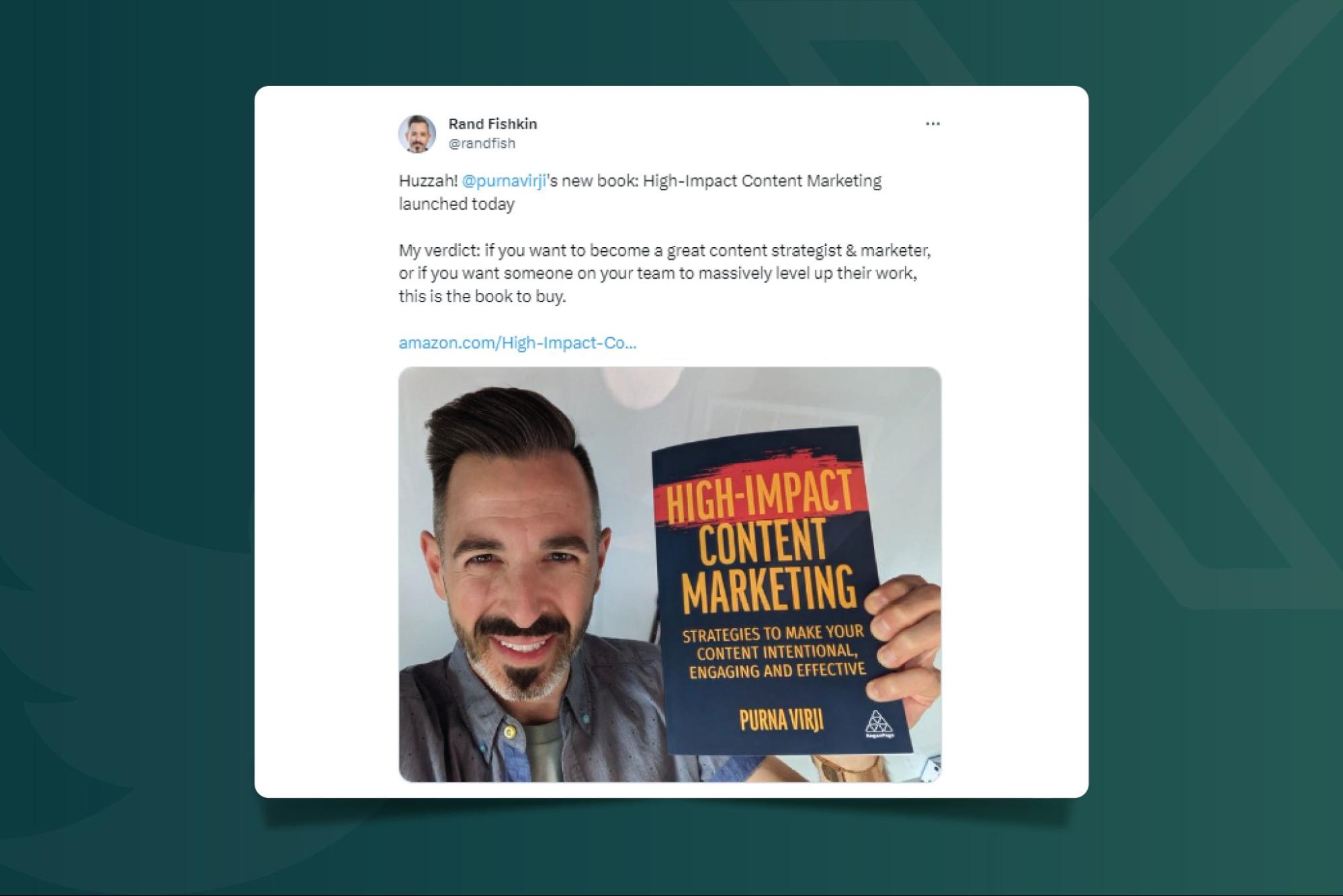
Rand Fishkin's SparkToro is a shining example. Rand's active presence on Twitter and his popular blog (moz.com/rand) allowed SparkToro to gain instant popularity upon its launch. The personal brand of the founder resonated with the target audience and gave the startup a head start in its branding journey.
Direct Communication with Customers
A powerful personal brand enables founders to directly connect and communicate with customers, acting as a digital loudspeaker to propagate the startup's message. Through authentic and personal communication via social media platforms like LinkedIn and Twitter, founders can establish a human touch that resonates with their audience
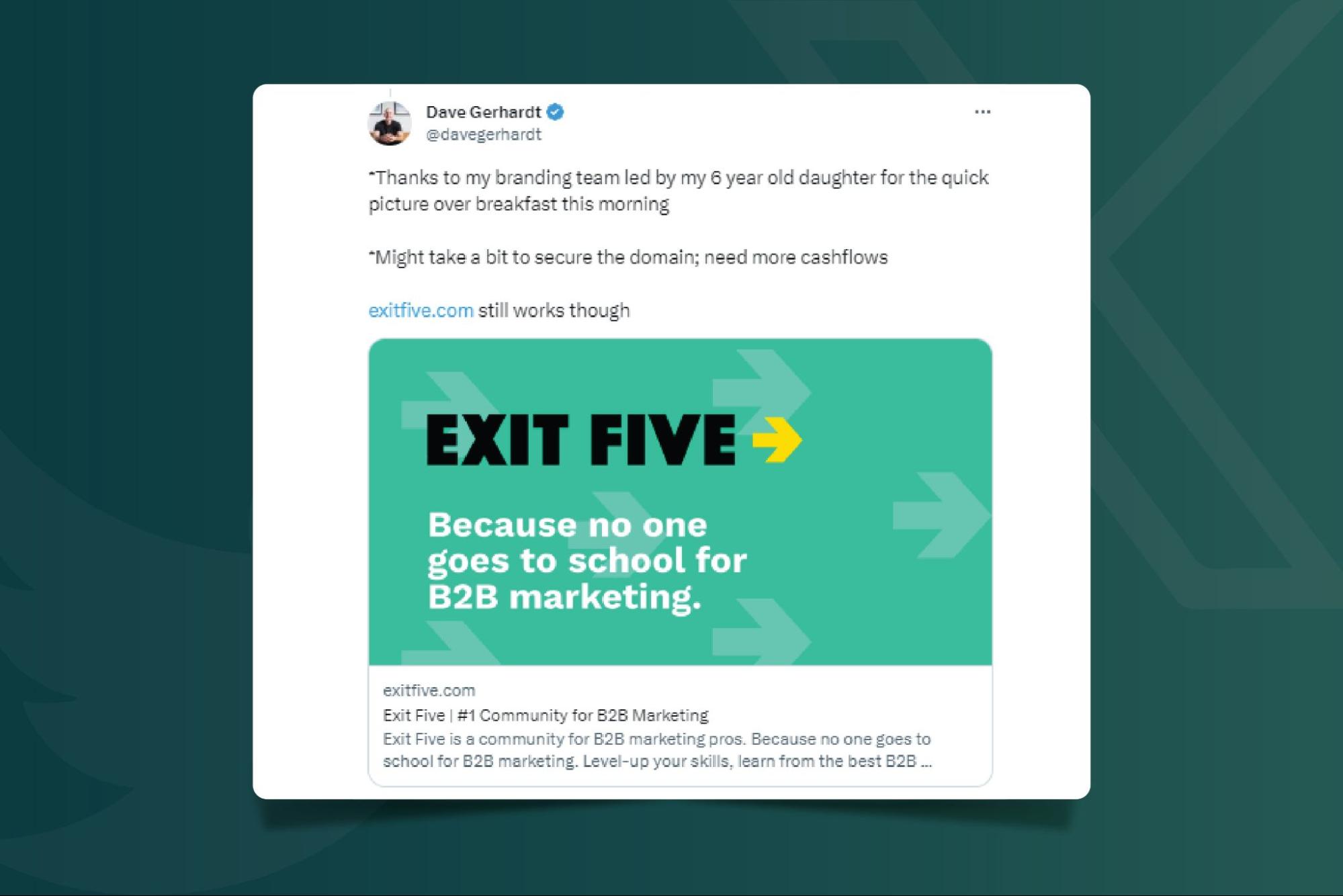
For instance, Dave Gerhardt, former CMO of Drift, utilized his strong personal brand on social media to communicate Drift's values directly to customers. His active presence and thought-provoking posts contributed significantly to the success of Drift's branding and marketing strategy.
In today's competitive world, a strong personal brand sets individuals apart from the crowd, making them memorable and recognizable. It builds trust with the audience and attracts new opportunities, ultimately giving founders a competitive advantage in their respective fields.
Long-Lasting Impact
In the realm of startup branding, running a brand-building campaign is essential for those with deep pockets. However, for startups on a shoestring budget, leveraging the founder's personal brand can be a powerful and cost-effective strategy. Unlike traditional marketing campaigns with finite shelf periods, a personal brand is an evergreen asset that remains on the top of the audience's mind.
Darshan Somshekar, who has sold companies to Facebook and Chegg, experienced the impact of a strong personal brand firsthand. When starting his latest venture, Unscrambled Words, investors were willing to invest based on his personal brand as a product expert, even without fully understanding his new venture's details.
Consistent content publication and the human touch of a personal brand create lasting connections with the target audience, making it a valuable resource for startups seeking long-term brand recognition and credibility.
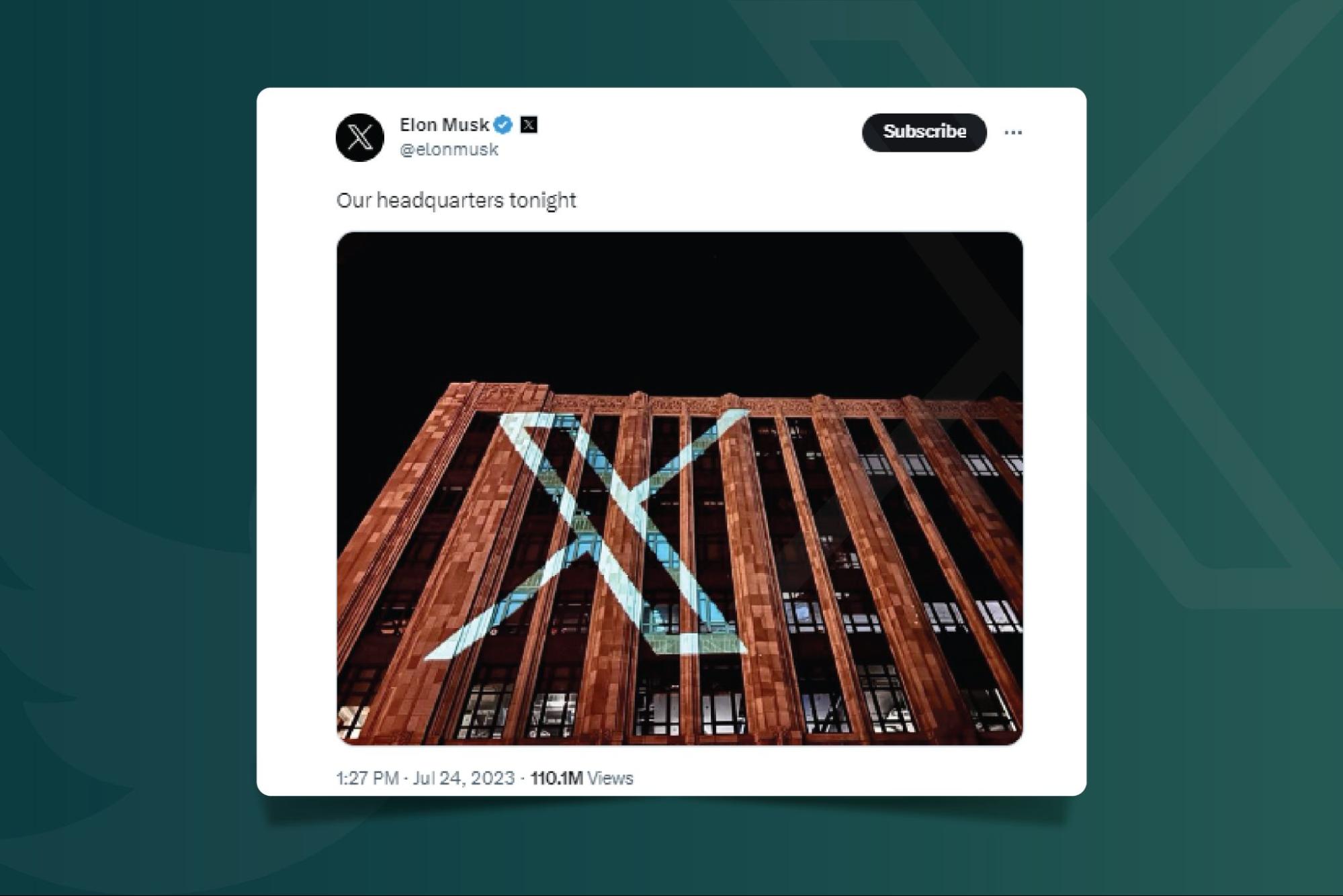
In conclusion, building a personal brand is essential for startup businesses to establish trust, credibility, and uniqueness in a crowded marketplace. The founder's personal brand becomes synonymous with the startup itself, enabling quicker decisions from stakeholders and customers. Direct communication with customers and prospects helps amplify the startup's message, while a strong personal brand showcases brand alignment and attracts others to join the journey.
As startup founders, investing in personal branding can provide the initial social capital needed for the startup's growth. Just as iconic founders like Elon Musk, Jeff Bezos, and Larry Kim have become synonymous with their billion-dollar companies, building a strong personal brand can significantly contribute to the success of a startup. In the ever-evolving world of startups, the personal brand of the founder acts as a beacon, guiding the business towards long-term success and recognition.
